
Carrier Air Duct Cleaning in Park City, KS | Atlas Air Duct & Vent Cleaning Kansas
Carrier air duct cleaning in Park City, KS typically costs $280–$520 for a complete residential system and takes 3–5 hours depending on contamination level and duct accessibility. What makes our Carrier sales & service here different is the refinery-adjacent contaminant profile we encounter—Park City homes collect a gritty, oily residue in their duct systems that standard cleaning protocols from Wichita suburbs simply don’t address. We serve Park City’s 67219 ZIP code and surrounding ranch neighborhoods with independent, manufacturer-unaffiliated service. Call (855) 595-7944 for a free estimate.
Why Park City Residents Choose Us for Carrier Service
We’ve been inside enough duct systems around Park City to know that a generic cleaning won’t cut it for Carrier equipment here. Henry Wood, owner and lead technician, grew up in Rosedale across the Kansas River and has spent 17 years crawling through the exact ranch-style duct layouts that dominate this city’s housing stock. When you book with Atlas, Henry shows up—not a rotating franchise crew member who learned your system from a tablet tutorial that morning.
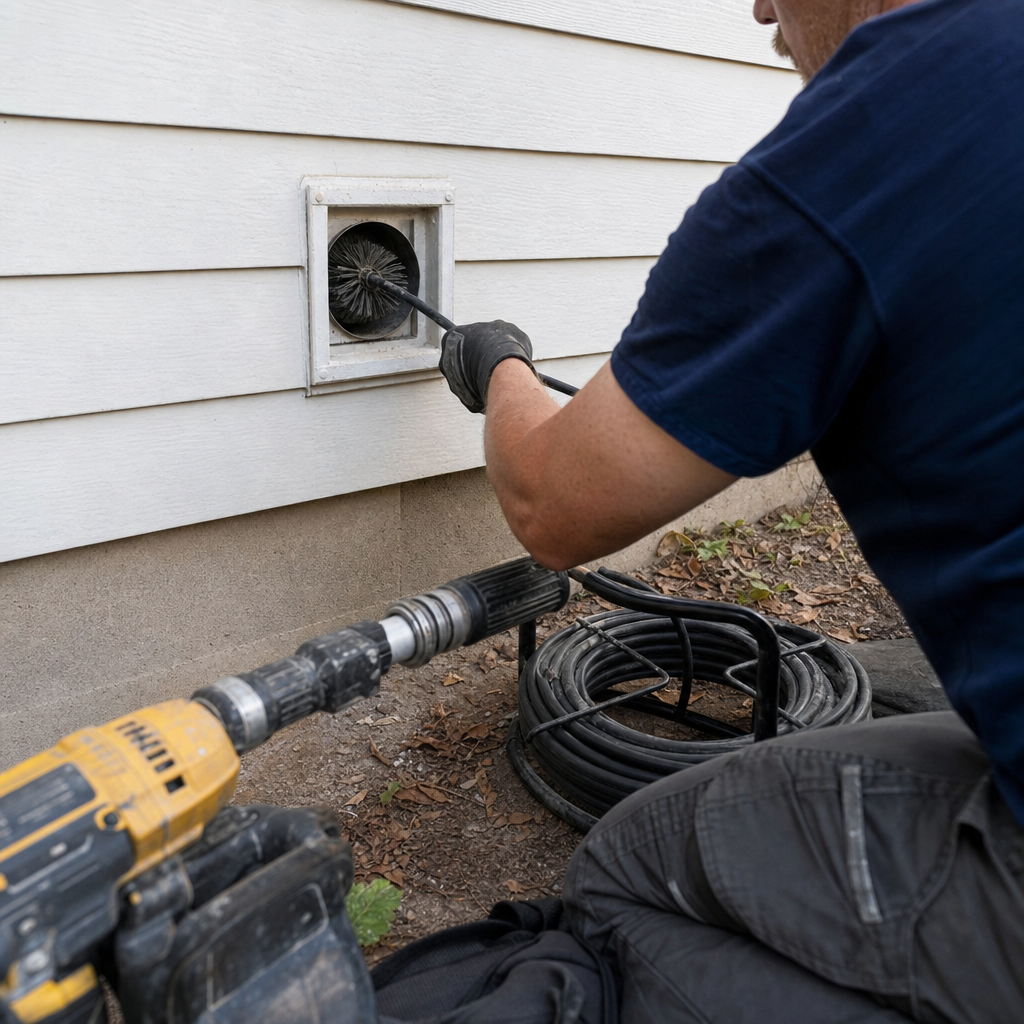
Our Rotobrush contact-cleaning systems and Nikro negative-pressure vacuums are the same equipment restoration contractors use after fire and flood jobs, not the residential shop-vac setups that leave oily residue behind. We carry Carrier OEM filters and coils for critical components, but we’re independent—no manufacturer authorization, no corporate script, just hands-on knowledge of how Carrier WeatherMaker and Comfort series ductwork fails specifically in Park City’s conditions. 276 customers reviewed us at 4.8 stars, and most mention the same thing: we tell you exactly what we found, then fix it without the runaround.
Common Carrier Air Duct Cleaning Problems We Solve in Park City
- Evaporator coil fouling from industrial particulates. Carrier WeatherMaker and Comfort series coils in Park City trap a unique sludge—HF Sinclair refinery particulates mixing with Kansas humidity and agricultural dust. This reduces airflow, causes freeze-ups, and forces your compressor to work harder. We remove this buildup with foaming degreaser pre-treatment followed by compressed air agitation, not standard brushing alone.
- Flex-duct collapse at sharp bends near Carrier air handlers. Park City’s 1960s–1990s ranch homes used lower-grade flex duct that’s now brittle from decades of summer heat cycling and winter contraction. We inspect these bends with video cameras before cleaning—agitating a collapsed flex duct blindly just tears it further.
- Heat exchanger surface accumulation of gritty refinery residue. Older Carrier WeatherMaker 8000 units in Park City develop efficiency-killing buildup that produces unusual odors when the furnace cycles. This isn’t normal household dust—it’s petroleum particulate that standard HVAC filters don’t catch. Our pre-treatment protocol addresses it specifically.
- Return duct seal failures pulling unfiltered attic air. Original metal trunk lines in Park City’s ranch homes separate at joints after 40+ years of expansion and contraction. During cleaning, we pressurize the system to locate these leaks—otherwise you’re just cleaning ducts that immediately recontaminate with agricultural dust from your attic.
- Condensate drain pan contamination from mixed industrial-agricultural debris. Carrier Infinity and Performance series units in Park City develop sludge in drain pans that standard bleach treatments won’t touch. We extract and sanitize these pans as part of full system cleaning, preventing the musty re-odor that brings customers calling us back.
Carrier Service in Park City: What Local Conditions Mean for Your Equipment
Park City homeowners near the HF Sinclair refinery on North Wichita’s industrial corridor often find an oily, grit-laden residue in their Carrier ducts that requires specialized pre-treatment before standard cleaning methods—this contaminant mix is not seen in homes further south in suburban Wichita. The refinery’s continuous operations release hydrocarbon vapors and fine particulates that settle across the flat terrain unobstructed by trees or hills, and Park City’s older ranch homes with original ductwork draw this contamination directly into living spaces through seal gaps that suburban builders would have addressed decades ago.
We recently cleaned a Carrier WeatherMaker 8000 system in a 1978 ranch home on Sunflower Street, just north of 61st Street North. The supply ducts were caked with a sticky dark residue—a telltale mix of petroleum particulates from the nearby refinery and Kansas silt from the open fields. After a two-stage pre-treatment with a degreasing foaming agent followed by compressed air agitation, we fully cleaned the entire system, restored airflow by 35%, and the homeowner reported the lingering musty odor was gone. That residue profile doesn’t exist in Derby or Carrier service in Andover. It doesn’t exist in east Wichita. It’s specific to Park City’s geography and industrial adjacency, and cleaning it requires equipment and chemistry most duct companies don’t carry.
Carrier Models & Products We Service in Park City
We independently train on Carrier-specific duct layouts and failure points for the model families common in Park City’s housing stock: WeatherMaker 8000/9000 (the workhorse furnaces in 1970s–1990s ranches), Comfort 14/16 (entry-level systems with simpler duct configurations but vulnerable coils), Infinity System (variable-speed units where duct sealing quality directly affects performance), and Performance Series (mid-tier equipment with specific return-air requirements).
For critical components—filters, coils, control boards—we source Carrier OEM parts when available for proper fit and warranty preservation. For ductwork itself, Carrier doesn’t manufacture duct, so we use UL-approved aftermarket mastic and sealing materials that outperform original installations. We stock common Carrier filters and coil treatments locally for fast Park City turnaround, and Henry Wood carries the full equipment fleet—Rotobrush, Nikro, Abatement Technologies particulate containment—on every service call, so we’re not waiting on a parts run while your system sits open.
Carrier Service Pricing in Park City
Most complete Carrier air duct cleaning jobs in Park City fall between $280–$520 for residential systems. What moves you toward the higher end: heavy refinery residue requiring two-stage pre-treatment, multiple return duct seal repairs, or video inspection revealing collapsed flex duct that needs replacement before safe cleaning.
Our free estimate includes a full video inspection of your trunk lines and branch ducts, pressure testing for seal failures, and a written scope with line-item pricing before we start any work. No upsell on arrival—Henry Wood performs the inspection himself, so the person quoting your job is the person who’ll do the work. Commercial buildings near the refinery corridor run higher depending on system size and contamination level. Call (855) 595-7944 for your exact quote; estimates are free and we typically book within 48 hours.
Serving Park City, KS — Our Local Coverage Area
We’re based in the Park City area and know this community well, and we also provide Carrier service in Valley Center. Use the map below to see our service coverage — if you’re nearby, we can almost certainly help.
FAQs — Carrier Air Duct Cleaning in Park City
Yes—most Park City homeowners with Carrier systems near the refinery corridor need cleaning every 2–3 years instead of the typical 4–5 year interval. The petroleum particulate accumulation is measurable and accelerates coil fouling and odor issues. Call (855) 595-7944 and we’ll inspect your contamination level at no charge.
We can, but we video-inspect first. Original metal trunk lines in Park City’s ranch homes often have thin spots at joints and rust pockets from decades of humidity cycling. Our Rotobrush systems are adjustable-pressure—we dial back agitation on compromised sections and flag areas needing repair before they fail completely.
If the odor originates from refinery residue buildup in your ducts and coils, our two-stage pre-treatment protocol typically eliminates it. If the smell persists after cleaning, we inspect for heat exchanger cracks or external air infiltration—problems that require repair, not just cleaning. Call (855) 595-7944 for a diagnostic visit.
Sealing helps, but 1980s flex duct in Park City is often past repair—brittle, collapsed at bends, or internally lined with degraded insulation. We seal what we can and quote replacement for sections that won’t hold. Carrier Infinity and Performance series especially need tight ducts to deliver their rated efficiency; leaky flex undermines the equipment you paid for.
Yes—our Nikro negative-pressure systems and Abatement Technologies containment equipment scale to commercial jobs. Warehouse Carrier units near the refinery accumulate the same oily residue profile as residential systems, just at higher volume. We quote commercial work after an on-site assessment; call (855) 595-7944 to schedule.
Service Areas Near Park City
We serve Park City’s 67219 ZIP and surrounding communities including Wichita to the south, Kansas City and Kansas City metro areas to the northeast, Olathe and Lenexa in the Johnson County corridor, and Topeka to the northwest. Henry Wood makes the drive for established customers across this radius, though most of our Carrier refinery-corridor work clusters in Park City and north Wichita.
Book Your Carrier Service in Park City Today
I’ve been in enough duct systems around here to know what clean looks like—and most of what I open up isn’t it. If your Carrier system is pushing odors, struggling with airflow, or due for inspection after years of Park City’s unique contaminant load, call (855) 595-7944. Henry Wood handles the estimate and the work himself. Same-day availability most weekdays, free estimates, and we’ll show you the video of what we found before we quote a dollar.
Written by Henry Wood, Owner at Atlas Air Duct & Vent Cleaning Kansas, serving Park City and the Wichita metro since 2008.